

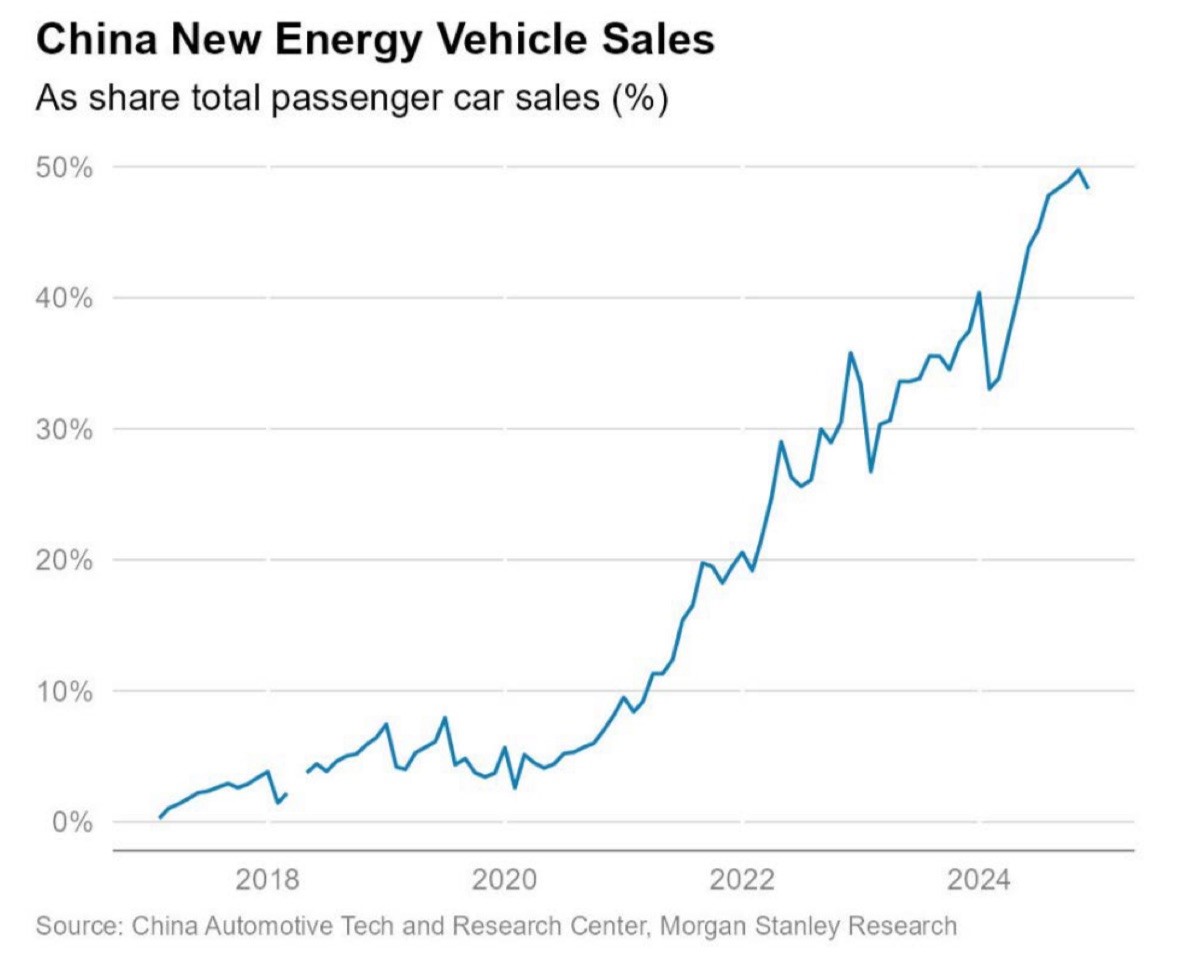
When you see people celebrating the incredible growth of EV’s in China, which topped 50% share of new vehicle sales at the end of 2024,(Figure 1), it is likely that they are excited about the progress such a milestone represents in the battle against climate change. The environmental benefits to the planet of China using more electricity and burning less gasoline may well be helpful to advancing the energy transition, but only if China cleans up their power grid. Right now that is a big if, and maybe it’s only a side effect of the massive wave of EV adoption.
China permitted more coal powered generation, 100 GW per year in 2022 and 2023(Figure 2), than the US has shuttered in the past decade. Yes, as many will be quick to point out, they also added nuclear, solar, and wind, but that’s what you do when you are electrifying the workshop of the world and have nearly insatiable demand for more power. What they are more motivated to do first before focusing on a clean grid is to “transition” away from oil.

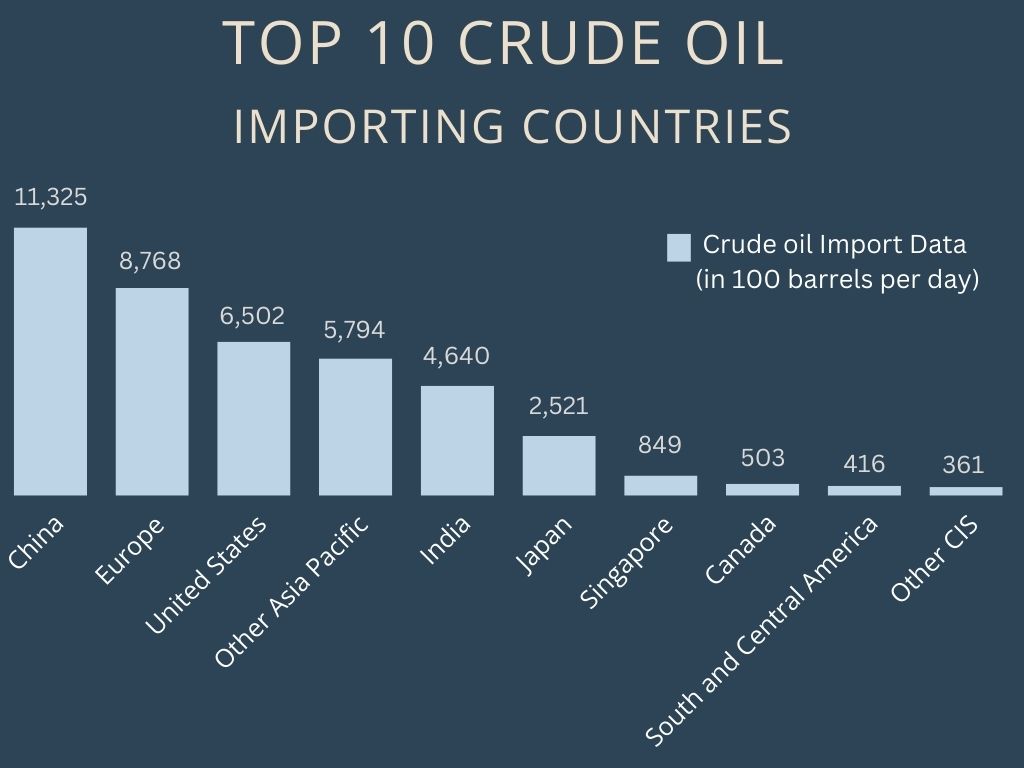
As the world’s largest importer of oil China has now replaced the US as the most vulnerable large economy to an oil embargo, (Figure 3). To those of us that were alive to experience the “Stagflation” and severe recessions our economy experienced from such embargo’s no one has to tell us that this is a very real vulnerability. As a rising military power with ambitions to “reunify” with what they view as their wayward province of Taiwan, China also has significant national security concerns with oil that add to their economic vulnerabilities.
China also has a very personal experience with the importance of oil from a national security perspective. As a victim of Japan, the last Asian military hegemon to arise, China saw the advantages that Japan enjoyed early on by through their advantaged access to global oil supplies. They also then saw how Japan was ultimately crippled in their expansionary efforts by a lack of oil after the US imposed an embargo. An embargo that many would point to as the tipping point in the US / Japanese relationship that would lead directly to the attack on Pearl Harbor.
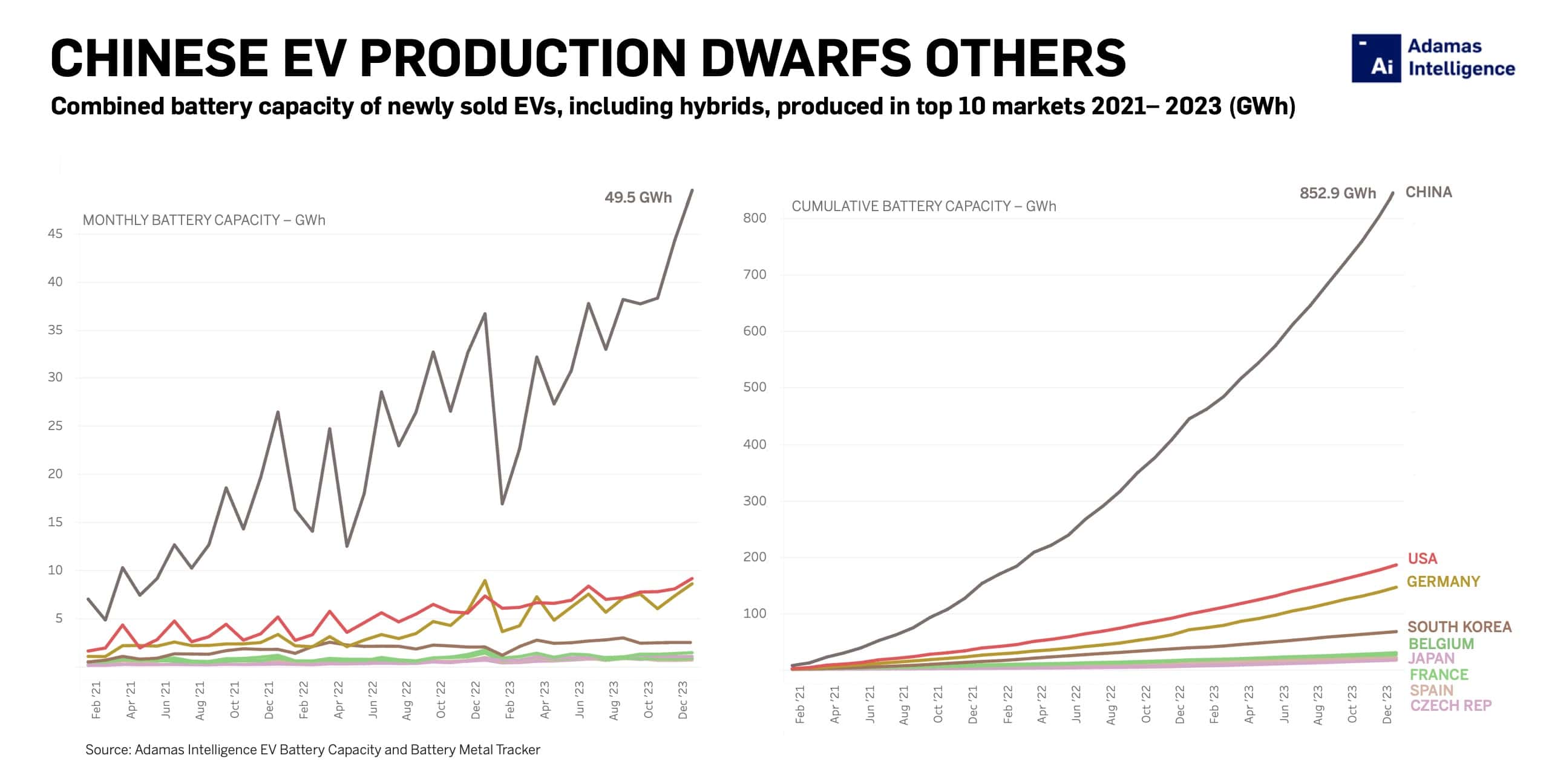
Without being able to substantially grow their own oil production, what is China to do in order to provide for their national security in the face of this vulnerability? First, build out domestic capacity for power generation that is not connected to oil, or gas for that matter. Second, build domestic capacity for manufacturing the key components needed to electrify the transport sector, namely batteries, (Figure 4). Third, disconnect the automotive sector from oil demand and leverage your home grown advantage.

The beauty of this strategy from China’s perspective is that they now have fully aligned their national security interest with their national economic interest. With the primary supply chains secured and a huge home market for cars as a baseload for domestic auto manufacturing they are positioned to bury the global automobile market in exports. Exports that only they are positioned to produce at a volume and price that no one else can match, not the US, not the EU, (Figure 5). Secure your national security and economic interests all while the world celebrates your progress, now that’s a well aligned and executed strategy.



 Thinking On Energy
Leave a comment