
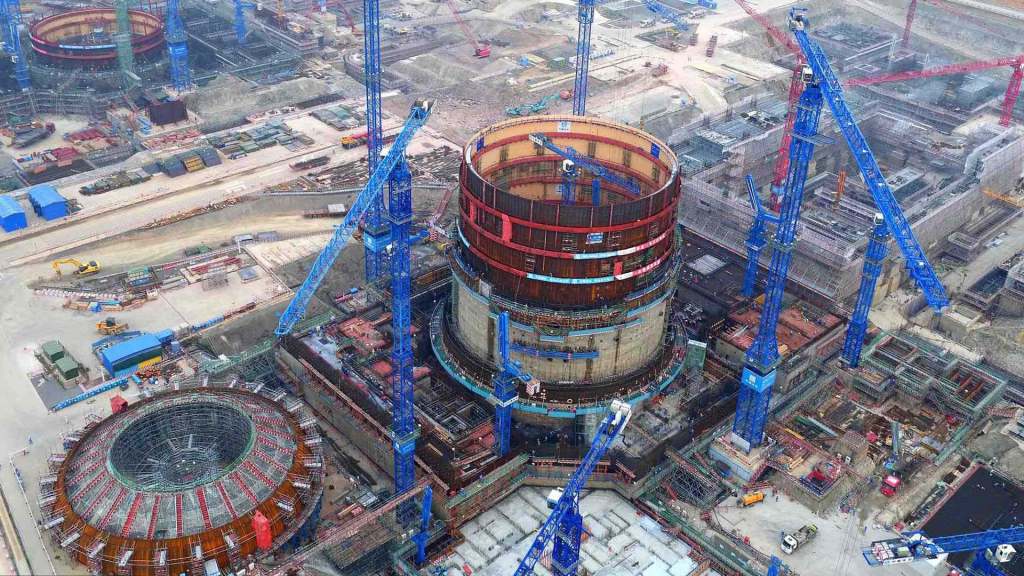
As the world accelerates toward electrification, the United States and China are on vastly different trajectories in scaling up their power generation capacities. The U.S. currently operates approximately 1.19 terawatts (TW) of utility-scale electricity generation capacity (EIA). Projections indicate that, under various scenarios, this capacity could approach or exceed 2 TW by 2040 (Clean Power Study). Doubling our generation capacity might sound like a homerun as a goal, but consider how that stacks up to what China has already accomplished.
It is a pretty stark contrast, China has already surpassed 3.35 TW of installed capacity by the end of 2024 (Wikipedia). Forecasts suggest that China’s capacity could reach between 7 to 8 TW by 2040 (Climate Energy Finance). This disparity is not merely a matter of numbers; it reflects a fundamental difference in approach to energy infrastructure development.
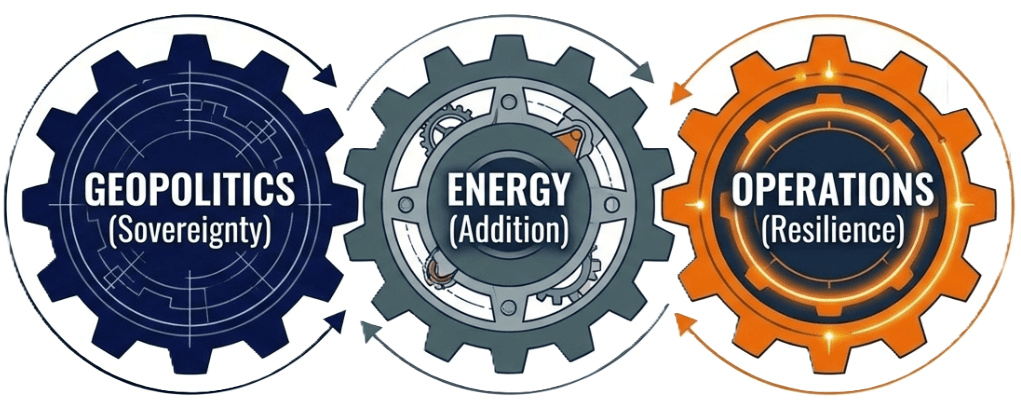
Abundant, cheap, reliable and sustainable energy is the engine behind all forms of economic growth. With the productivity gains we need to compete with China’s vastly larger workforce depending on advances in AI, robotics, and other forms of electrification we are facing a future where global power and security are going to be based on physical power, not just the military kind but the generation kind. Power generation is going to drive hard military power and soft economic power, it is the foundation from which all the other factors flow.
It is at this point in the discussion where many who have agreed start to diverge. Those focused on climate concerns and renewables start to quote the statistics about how all we need is solar and batteries to make all the power we need. Others start to go on about their “drill baby drill” plans and how natural gas can grow to support all the power generation we want. My perspective is that while both of those factions of our industry have parts of their arguments that are attractive, both are incomplete. Neither provide the energy security and sustainability we need to power an AI enabled and robotics operated manufacturing economy that the US will need to compete in 2040. Nuclear is the only way to square the circle of environmental sustainability, baseload reliability and attainable scalability.
Sure we should grow solar all we can, but most panels only have a 20-30 year life, so whatever we build now will need to be largely replaced or renewed by 2040 just to stay current. Oh, and most all of the global solar panel manufacturing capacity and the batteries needed to back them up are made in China. So how exactly shifting from a dependence on Middle Eastern Oil that took us 25 years to break, only to rotate to a dependence on China for solar and batteries, makes any national security sense is beyond my ability to concoct a reasonable argument.
Nuclear on the other hand can be American made and US sourced, we invented it, we can build it here, run it here, and scale it here. Reactors we built in the 1960’s with slide rules are still running safely 65 years later. Well into what would be the third replacement cycle for our best solar panels today. We haven’t forgot how to build nuclear, we have forgot how to permit it. That needs to change if we stand any chance of keeping up with the Chinese and their all of the above strategy that continues to scale up coal, solar, wind and yes, nuclear.
Our permitting delays are often attributed to the Nuclear Regulatory Commission’s (NRC) implementation of the National Environmental Policy Act (NEPA), which, critics argue, has evolved into a tool that imposes hurdles beyond the original intent of environmental protection. I try to breakdown this bottleneck with summaries and sources below. The most rapid advances in SMR’s or even improved conventional reactors will mean nothing if we don’t get this runaway regulatory monkey off the back of industry.
⚠️ The U.S. Nuclear Permitting Bottleneck
On May 21, 2025, the Tennessee Valley Authority (TVA) became the first U.S. utility to submit a construction permit application for a small modular reactor (SMR)—the GE Hitachi BWRX-300—at its Clinch River site in Tennessee. Despite this milestone, TVA doesn’t expect to begin nuclear construction until late 2028, with the reactor possibly coming online in 2032. This timeline reflects the protracted regulatory process overseen by the NRC, which includes a two-year review and six months of public hearings.

The NRC’s permitting process, influenced by NEPA, has become increasingly burdensome. Originally intended to ensure environmental protection, NEPA reviews have evolved into complex procedures that can delay projects for years. Critics argue that the NRC’s implementation of NEPA has extended beyond its original intent, creating hurdles that stifle innovation and delay the deployment of advanced nuclear technologies.
🏗️ China’s Rapid Nuclear Expansion
In stark contrast, China continues to accelerate its nuclear energy program. In April 2025, China’s State Council approved the construction of 10 new nuclear reactors across five projects, including eight Hualong One units and two CAP1000 units. This marks the fourth consecutive year that China has approved at least 10 reactors annually. Currently, China operates 58 nuclear reactors and has 44 more under construction, positioning it to become the world’s leading nuclear power operator by 2030.
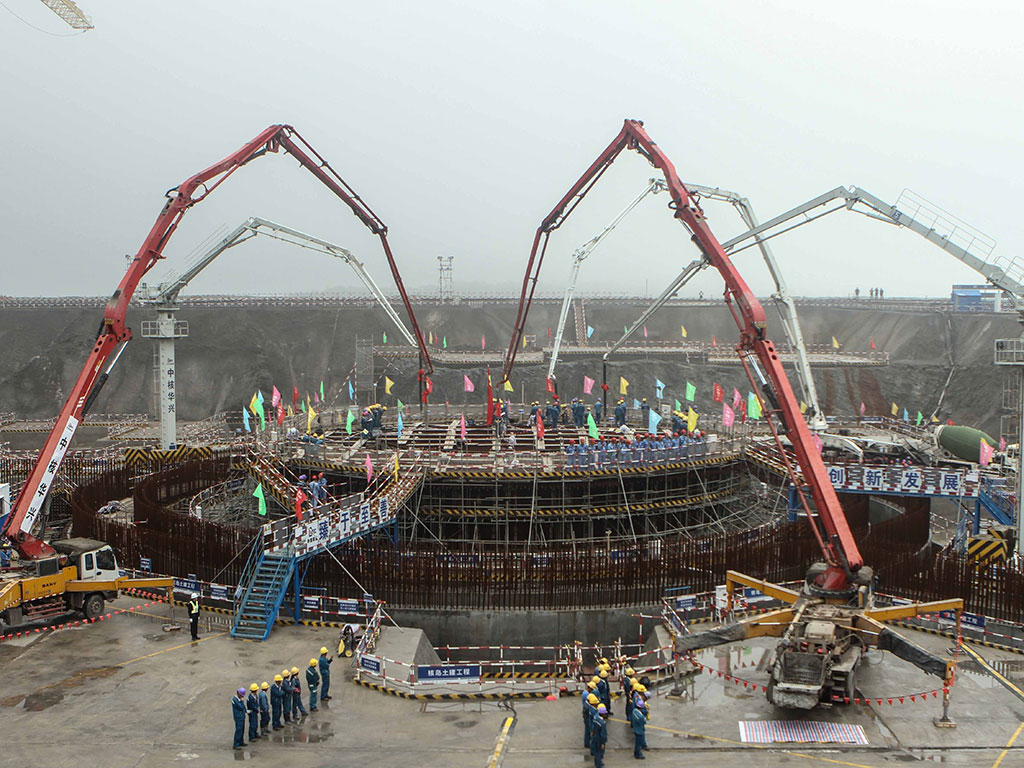
China’s streamlined regulatory framework enables faster project approvals and construction timelines. By reducing bureaucratic obstacles, China can bring new reactors online in a fraction of the time it takes in the U.S., allowing it to meet growing energy demands and reduce carbon emissions more effectively.
⚖️ The NEPA Conundrum
The NRC’s application of NEPA has been criticized for creating unnecessary delays in nuclear project approvals. While environmental protection is crucial, the current process often involves extensive reviews and hearings that can extend project timelines by several years. This has led to calls for reform, including proposals to streamline environmental reviews and eliminate redundant procedures.
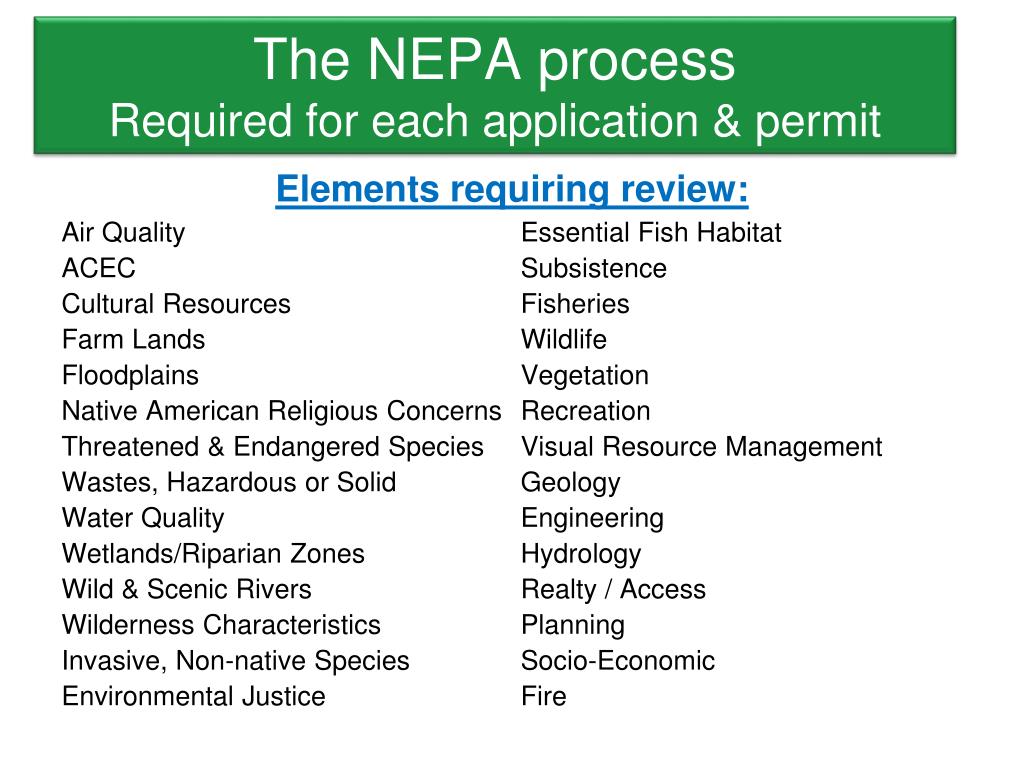
The Breakthrough Institute has advocated for removing or streamlining the uncontested mandatory hearing process for nuclear reactor licensing, which they argue is overly formal and burdensome. Additionally, the Fiscal Responsibility Act of 2023 included amendments to NEPA aimed at expediting environmental reviews for energy projects, but the NRC has been slow to implement these changes. Links to further reading and sources on both are included below.
🔧 Executive Actions and Industry Response
Recognizing the need for reform, President Donald Trump signed executive orders on May 23, 2025, aimed at accelerating nuclear power development. These directives include:
- Mandating the NRC to license new reactors within 18 months.
- Revising radiation exposure rules deemed overly cautious.
- Transferring some regulatory authority from the NRC to the Department of Energy.
- Invoking the Defense Production Act to secure nuclear fuel resources.
While industry leaders have welcomed these measures as necessary steps to revitalize the U.S. nuclear sector, critics warn that undermining the NRC’s independence could compromise safety standards and public trust. Our industry needs a lot of focus on education and communications around nuclear power overall and starting with an effort to refute the need for decades of reviews to permit a single plant is a great place to start.
🔄 The Path Forward
To remain competitive in the global nuclear arena, the U.S. must address the regulatory challenges hindering nuclear development. This includes:
- Implementing NEPA reforms to streamline environmental reviews.
- Enhancing coordination between federal agencies to reduce bureaucratic delays.
- Investing in domestic nuclear fuel production to ensure energy security.
- Encouraging public-private partnerships to foster innovation in nuclear technologies.
By adopting these measures, the U.S. can accelerate the deployment of advanced nuclear reactors, meet growing energy demands, and reduce carbon emissions, all while maintaining high safety standards. The alternative is to increase our dependence on China from a manufacturing perspective, hardly a path to continued security and prosperity.



 Thinking On Energy
Leave a comment